
The Ethos of Music: How Harmony Shapes the Soul
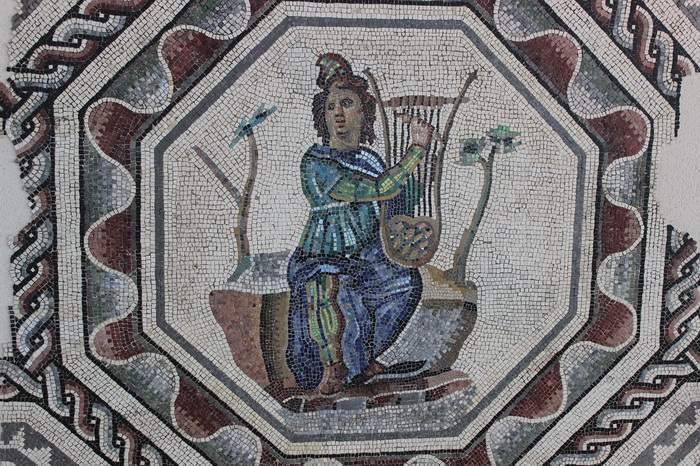
In ancient Greece, music wasn’t just background noise or entertainment. It was a cornerstone of education, shaping both character and intellect. The Greeks understood something about music that we often forget today—it wasn’t just about notes and rhythm; it was about creating good citizens, cultivating virtues, and aiming for areté (excellence). Music was part of what made people whole, balanced, and wise.
The Ethos of music
One of the coolest concepts in ancient Greek thought is the ethos theory—the belief that music directly influences the listener’s character and emotions. For the Greeks, music wasn’t neutral. Certain modes (like scales) could inspire courage, serenity, or joy, while others might stir up wild emotions or lead people astray. Plato and Aristotle had a lot to say about this. Plato even believed that the wrong kind of music could make a person morally corrupt! Think about that for a second. They believed music had the power to shape who you were at your core.
The Greeks believed that if you wanted to create a just and virtuous society, you needed to be careful about what kind of music you let into people’s ears, especially young people. The wrong music could lead to a disordered soul, while the right music could lead to harmony—literally and figuratively.
Music and Areté
This brings us to areté. In ancient Greek education, the goal was always to strive for areté—a kind of moral and intellectual excellence. It wasn’t just about knowing facts or skills; it was about becoming the best version of yourself. Music was key to this process. It was believed that learning music helped develop discipline, self-control, and a sense of order.
For instance, students would learn to play the lyre or sing in a choir. These activities weren’t just about making music; they were about practicing concentration, listening, and working together harmoniously. In other words, music was a way to train the soul in the same way that athletics trained the body. By mastering music, young Greeks were mastering themselves—learning to balance emotions, cultivate virtues, and achieve a sense of inner harmony.
The Influence on the Youth
Now, when it came to young people, the Greeks didn’t take music lightly. They believed that the songs and sounds a person heard growing up shaped their character. For instance, Plato was really concerned about what kind of music children were exposed to. He warned against music that was too emotional or chaotic because it could lead to disorganized thinking and poor moral choices.
The Greeks were picky. They believed that certain modes, like the Dorian mode, could make young people brave and strong, while others could make them lazy or cowardly. They saw music as a tool to mold not just the intellect but also the emotions, helping young people become disciplined, courageous, and ready to face life’s challenges.
A modern reflection: is today’s music harming us?
Now, let’s fast forward to today. Imagine what the ancient Greeks would think if they could hear some of the music blasting out of speakers now. It’s hard, dissonant, and often comes with aggressive or violent lyrics. While there’s no denying that modern music has its own artistry, it’s worth asking: What kind of ethos is it promoting? If the Greeks were right about music shaping our souls, then what happens when the music young people are surrounded by is full of anger, rebellion, or despair?
The truth is, many of today’s songs don’t exactly promote the same kind of harmony or discipline the Greeks were aiming for. Instead of cultivating balance or excellence, a lot of it seems to fuel chaos, aggression, or discontent. Ancient philosophers like Plato would probably argue that this kind of music has the power to lead people astray, pulling them away from virtue and toward a more disordered, unhappy life. And while it’s easy to dismiss that as old-fashioned thinking, isn’t it at least worth considering how much of today’s music might be influencing young people in ways we don’t fully understand?
In conclusion, in ancient Greece, music wasn’t just a form of entertainment. It was a vital tool for shaping the mind, body, and soul, especially for young people. It was about more than just learning to play an instrument—it was about learning to live a good life, to seek areté, and to be in harmony with oneself and society.
Maybe we’ve lost some of that wisdom in the modern world. The Greeks understood that music had power, and they used it carefully to nurture excellence and virtue. Today, as we crank up the volume on whatever’s trending, it’s worth asking ourselves: What kind of people is this music helping us become?
by Bruno
Originally published on https://www.mediterraneanwayproject.com/ethos-of-music-shaping-soul/


