
 https://www.brunomedicina.com/wp-content/uploads/2008/11/magic.jpg
466
700
Bruno
https://www.brunomedicina.com/wp-content/uploads/2026/03/Logo-con-Nome.png
Bruno2008-11-03 21:23:082026-05-08 22:51:27Is there truth beyond magic?
https://www.brunomedicina.com/wp-content/uploads/2008/11/magic.jpg
466
700
Bruno
https://www.brunomedicina.com/wp-content/uploads/2026/03/Logo-con-Nome.png
Bruno2008-11-03 21:23:082026-05-08 22:51:27Is there truth beyond magic?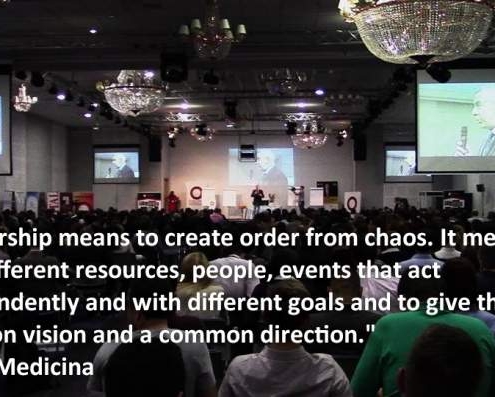 https://www.brunomedicina.com/wp-content/uploads/2008/11/leadership.jpg
397
705
Bruno
https://www.brunomedicina.com/wp-content/uploads/2026/03/Logo-con-Nome.png
Bruno2008-11-03 08:45:292026-05-11 11:46:07The True Key to Leadership: Beyond Power and Tricks
https://www.brunomedicina.com/wp-content/uploads/2008/11/leadership.jpg
397
705
Bruno
https://www.brunomedicina.com/wp-content/uploads/2026/03/Logo-con-Nome.png
Bruno2008-11-03 08:45:292026-05-11 11:46:07The True Key to Leadership: Beyond Power and Tricks https://www.brunomedicina.com/wp-content/uploads/2026/05/hamburger.jpg
466
700
Bruno
https://www.brunomedicina.com/wp-content/uploads/2026/03/Logo-con-Nome.png
Bruno2008-09-12 10:33:442026-06-01 13:32:58Double Coachburger at McTraining
https://www.brunomedicina.com/wp-content/uploads/2026/05/hamburger.jpg
466
700
Bruno
https://www.brunomedicina.com/wp-content/uploads/2026/03/Logo-con-Nome.png
Bruno2008-09-12 10:33:442026-06-01 13:32:58Double Coachburger at McTraining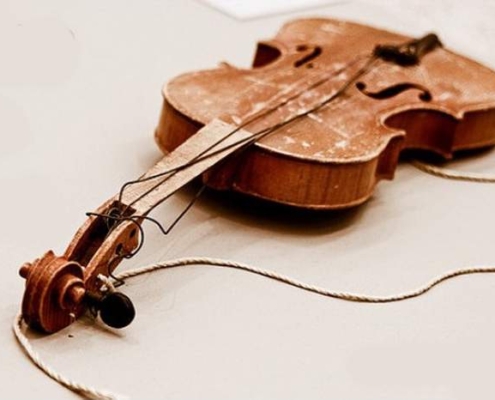 https://www.brunomedicina.com/wp-content/uploads/2008/09/brokenviolin.jpg
466
700
Bruno
https://www.brunomedicina.com/wp-content/uploads/2026/03/Logo-con-Nome.png
Bruno2008-09-09 15:23:222026-07-02 10:56:13Are You Playing on Just One String?
https://www.brunomedicina.com/wp-content/uploads/2008/09/brokenviolin.jpg
466
700
Bruno
https://www.brunomedicina.com/wp-content/uploads/2026/03/Logo-con-Nome.png
Bruno2008-09-09 15:23:222026-07-02 10:56:13Are You Playing on Just One String? https://www.brunomedicina.com/wp-content/uploads/2008/09/beaver.jpg
466
700
Bruno
https://www.brunomedicina.com/wp-content/uploads/2026/03/Logo-con-Nome.png
Bruno2008-09-03 11:12:222026-05-10 15:23:01Beavers, Termites, and Project Management
https://www.brunomedicina.com/wp-content/uploads/2008/09/beaver.jpg
466
700
Bruno
https://www.brunomedicina.com/wp-content/uploads/2026/03/Logo-con-Nome.png
Bruno2008-09-03 11:12:222026-05-10 15:23:01Beavers, Termites, and Project Management https://www.brunomedicina.com/wp-content/uploads/2026/05/charisma.jpg
466
696
Bruno
https://www.brunomedicina.com/wp-content/uploads/2026/03/Logo-con-Nome.png
Bruno2008-07-16 10:30:482026-05-13 12:22:20The Secret of Charisma: Internal Alignment and Focus on Potential
https://www.brunomedicina.com/wp-content/uploads/2026/05/charisma.jpg
466
696
Bruno
https://www.brunomedicina.com/wp-content/uploads/2026/03/Logo-con-Nome.png
Bruno2008-07-16 10:30:482026-05-13 12:22:20The Secret of Charisma: Internal Alignment and Focus on Potential https://www.brunomedicina.com/wp-content/uploads/2008/04/hands.jpg
466
700
Bruno
https://www.brunomedicina.com/wp-content/uploads/2026/03/Logo-con-Nome.png
Bruno2008-04-04 20:53:332026-06-20 09:56:11Do we still have time for a gesture of humanity?
https://www.brunomedicina.com/wp-content/uploads/2008/04/hands.jpg
466
700
Bruno
https://www.brunomedicina.com/wp-content/uploads/2026/03/Logo-con-Nome.png
Bruno2008-04-04 20:53:332026-06-20 09:56:11Do we still have time for a gesture of humanity? https://www.brunomedicina.com/wp-content/uploads/2008/02/wolf.jpg
466
700
Bruno
https://www.brunomedicina.com/wp-content/uploads/2026/03/Logo-con-Nome.png
Bruno2008-02-03 13:49:012026-06-06 16:28:23Power Without Guilt, Love Without Doubt: The Psychology of Flow and Instinct
https://www.brunomedicina.com/wp-content/uploads/2008/02/wolf.jpg
466
700
Bruno
https://www.brunomedicina.com/wp-content/uploads/2026/03/Logo-con-Nome.png
Bruno2008-02-03 13:49:012026-06-06 16:28:23Power Without Guilt, Love Without Doubt: The Psychology of Flow and Instinct https://www.brunomedicina.com/wp-content/uploads/2026/03/allyoucanbe.jpg
465
700
Bruno
https://www.brunomedicina.com/wp-content/uploads/2026/03/Logo-con-Nome.png
Bruno2007-11-28 12:14:302026-04-30 15:22:30All you can be
https://www.brunomedicina.com/wp-content/uploads/2026/03/allyoucanbe.jpg
465
700
Bruno
https://www.brunomedicina.com/wp-content/uploads/2026/03/Logo-con-Nome.png
Bruno2007-11-28 12:14:302026-04-30 15:22:30All you can be https://www.brunomedicina.com/wp-content/uploads/2007/07/money.png
466
700
Bruno
https://www.brunomedicina.com/wp-content/uploads/2026/03/Logo-con-Nome.png
Bruno2007-07-03 09:21:022026-06-23 14:33:04Million Dollar Training
https://www.brunomedicina.com/wp-content/uploads/2007/07/money.png
466
700
Bruno
https://www.brunomedicina.com/wp-content/uploads/2026/03/Logo-con-Nome.png
Bruno2007-07-03 09:21:022026-06-23 14:33:04Million Dollar Training https://www.brunomedicina.com/wp-content/uploads/2026/07/rugby.jpg
466
700
Bruno
https://www.brunomedicina.com/wp-content/uploads/2026/03/Logo-con-Nome.png
Bruno2007-06-01 15:58:432026-07-07 15:38:53Coaching for High Performers: Why Results Matter More Than Labels
https://www.brunomedicina.com/wp-content/uploads/2026/07/rugby.jpg
466
700
Bruno
https://www.brunomedicina.com/wp-content/uploads/2026/03/Logo-con-Nome.png
Bruno2007-06-01 15:58:432026-07-07 15:38:53Coaching for High Performers: Why Results Matter More Than Labels https://www.brunomedicina.com/wp-content/uploads/2026/05/negativity.png
466
700
Bruno
https://www.brunomedicina.com/wp-content/uploads/2026/03/Logo-con-Nome.png
Bruno2007-05-01 16:52:032026-05-13 17:44:54The Appeal of Destructiveness: Why Destroying is Easy
https://www.brunomedicina.com/wp-content/uploads/2026/05/negativity.png
466
700
Bruno
https://www.brunomedicina.com/wp-content/uploads/2026/03/Logo-con-Nome.png
Bruno2007-05-01 16:52:032026-05-13 17:44:54The Appeal of Destructiveness: Why Destroying is Easy https://www.brunomedicina.com/wp-content/uploads/2007/04/training.jpg
466
700
Bruno
https://www.brunomedicina.com/wp-content/uploads/2026/03/Logo-con-Nome.png
Bruno2007-04-24 10:20:172026-06-18 08:44:29Do we form, inform, or liberate?
https://www.brunomedicina.com/wp-content/uploads/2007/04/training.jpg
466
700
Bruno
https://www.brunomedicina.com/wp-content/uploads/2026/03/Logo-con-Nome.png
Bruno2007-04-24 10:20:172026-06-18 08:44:29Do we form, inform, or liberate? https://www.brunomedicina.com/wp-content/uploads/2006/10/training.jpg
466
700
Bruno
https://www.brunomedicina.com/wp-content/uploads/2026/03/Logo-con-Nome.png
Bruno2006-10-03 09:02:212026-06-14 14:35:13Training: From didactics to unlocking one’s own potential
https://www.brunomedicina.com/wp-content/uploads/2006/10/training.jpg
466
700
Bruno
https://www.brunomedicina.com/wp-content/uploads/2026/03/Logo-con-Nome.png
Bruno2006-10-03 09:02:212026-06-14 14:35:13Training: From didactics to unlocking one’s own potential https://www.brunomedicina.com/wp-content/uploads/2026/06/tiger.jpg
466
700
Bruno
https://www.brunomedicina.com/wp-content/uploads/2026/03/Logo-con-Nome.png
Bruno2006-09-01 16:42:142026-06-08 10:58:09The Sales Jungle: Why Humans Still Buy Like Cavemen
https://www.brunomedicina.com/wp-content/uploads/2026/06/tiger.jpg
466
700
Bruno
https://www.brunomedicina.com/wp-content/uploads/2026/03/Logo-con-Nome.png
Bruno2006-09-01 16:42:142026-06-08 10:58:09The Sales Jungle: Why Humans Still Buy Like Cavemen https://www.brunomedicina.com/wp-content/uploads/2005/05/depression.jpg
468
700
Bruno
https://www.brunomedicina.com/wp-content/uploads/2026/03/Logo-con-Nome.png
Bruno2005-05-01 19:25:132026-05-14 20:29:33Addiction to negativity
https://www.brunomedicina.com/wp-content/uploads/2005/05/depression.jpg
468
700
Bruno
https://www.brunomedicina.com/wp-content/uploads/2026/03/Logo-con-Nome.png
Bruno2005-05-01 19:25:132026-05-14 20:29:33Addiction to negativity https://www.brunomedicina.com/wp-content/uploads/2005/01/target.jpg
466
700
Bruno
https://www.brunomedicina.com/wp-content/uploads/2026/03/Logo-con-Nome.png
Bruno2005-01-10 21:58:212026-06-07 10:38:45How to not lose sight of what you truly want
https://www.brunomedicina.com/wp-content/uploads/2005/01/target.jpg
466
700
Bruno
https://www.brunomedicina.com/wp-content/uploads/2026/03/Logo-con-Nome.png
Bruno2005-01-10 21:58:212026-06-07 10:38:45How to not lose sight of what you truly want https://www.brunomedicina.com/wp-content/uploads/2004/10/interview.jpg
466
700
Bruno
https://www.brunomedicina.com/wp-content/uploads/2026/03/Logo-con-Nome.png
Bruno2004-10-01 09:05:242026-07-08 15:05:27A Chat About Coaching, Learning, and Human Potential
https://www.brunomedicina.com/wp-content/uploads/2004/10/interview.jpg
466
700
Bruno
https://www.brunomedicina.com/wp-content/uploads/2026/03/Logo-con-Nome.png
Bruno2004-10-01 09:05:242026-07-08 15:05:27A Chat About Coaching, Learning, and Human Potential https://www.brunomedicina.com/wp-content/uploads/2000/09/quality.jpg
466
700
Bruno
https://www.brunomedicina.com/wp-content/uploads/2026/03/Logo-con-Nome.png
Bruno2000-09-01 23:15:462026-06-08 08:50:00Kaizen or continuous quality improvement
https://www.brunomedicina.com/wp-content/uploads/2000/09/quality.jpg
466
700
Bruno
https://www.brunomedicina.com/wp-content/uploads/2026/03/Logo-con-Nome.png
Bruno2000-09-01 23:15:462026-06-08 08:50:00Kaizen or continuous quality improvement https://www.brunomedicina.com/wp-content/uploads/2000/07/boss.jpg
466
700
Bruno
https://www.brunomedicina.com/wp-content/uploads/2026/03/Logo-con-Nome.png
Bruno2000-07-01 10:13:342026-06-15 14:32:02The Struggle of Being Your Own Boss
https://www.brunomedicina.com/wp-content/uploads/2000/07/boss.jpg
466
700
Bruno
https://www.brunomedicina.com/wp-content/uploads/2026/03/Logo-con-Nome.png
Bruno2000-07-01 10:13:342026-06-15 14:32:02The Struggle of Being Your Own Boss https://www.brunomedicina.com/wp-content/uploads/2026/06/child-with-hat.jpg
466
700
Bruno
https://www.brunomedicina.com/wp-content/uploads/2026/03/Logo-con-Nome.png
Bruno1998-05-16 10:06:182026-06-13 13:31:55Break down the barriers in your mind!
https://www.brunomedicina.com/wp-content/uploads/2026/06/child-with-hat.jpg
466
700
Bruno
https://www.brunomedicina.com/wp-content/uploads/2026/03/Logo-con-Nome.png
Bruno1998-05-16 10:06:182026-06-13 13:31:55Break down the barriers in your mind! https://www.brunomedicina.com/wp-content/uploads/1997/06/fear.jpg
466
700
Bruno
https://www.brunomedicina.com/wp-content/uploads/2026/03/Logo-con-Nome.png
Bruno1997-06-16 21:47:332026-06-06 09:52:38Fear: The Invisible Enemy Behind Every Limitation
https://www.brunomedicina.com/wp-content/uploads/1997/06/fear.jpg
466
700
Bruno
https://www.brunomedicina.com/wp-content/uploads/2026/03/Logo-con-Nome.png
Bruno1997-06-16 21:47:332026-06-06 09:52:38Fear: The Invisible Enemy Behind Every Limitation https://www.brunomedicina.com/wp-content/uploads/1997/05/rules.jpg
466
695
Bruno
https://www.brunomedicina.com/wp-content/uploads/2026/03/Logo-con-Nome.png
Bruno1997-05-18 08:26:212026-06-03 09:27:17The Tyranny of Rules: Are You Living by Standards That Aren’t Yours?
https://www.brunomedicina.com/wp-content/uploads/1997/05/rules.jpg
466
695
Bruno
https://www.brunomedicina.com/wp-content/uploads/2026/03/Logo-con-Nome.png
Bruno1997-05-18 08:26:212026-06-03 09:27:17The Tyranny of Rules: Are You Living by Standards That Aren’t Yours? https://www.brunomedicina.com/wp-content/uploads/1997/04/coincidence.jpg
465
699
Bruno
https://www.brunomedicina.com/wp-content/uploads/2026/03/Logo-con-Nome.png
Bruno1997-04-16 20:26:132026-06-04 21:26:47The Power of Coincidences: Meaning, Intuition and Synchronicity
https://www.brunomedicina.com/wp-content/uploads/1997/04/coincidence.jpg
465
699
Bruno
https://www.brunomedicina.com/wp-content/uploads/2026/03/Logo-con-Nome.png
Bruno1997-04-16 20:26:132026-06-04 21:26:47The Power of Coincidences: Meaning, Intuition and Synchronicity https://www.brunomedicina.com/wp-content/uploads/1997/03/moon.png
466
700
Bruno
https://www.brunomedicina.com/wp-content/uploads/2026/03/Logo-con-Nome.png
Bruno1997-03-20 09:17:012026-06-10 14:18:43When you choose a goal, aim for the Moon!
https://www.brunomedicina.com/wp-content/uploads/1997/03/moon.png
466
700
Bruno
https://www.brunomedicina.com/wp-content/uploads/2026/03/Logo-con-Nome.png
Bruno1997-03-20 09:17:012026-06-10 14:18:43When you choose a goal, aim for the Moon!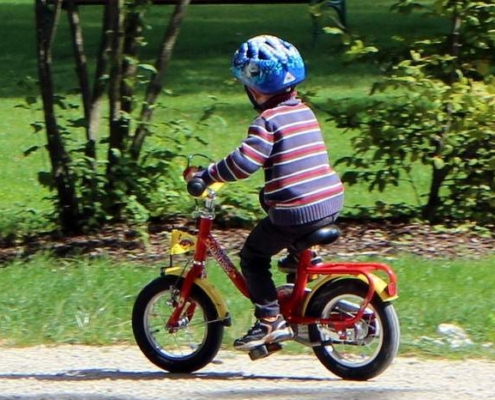 https://www.brunomedicina.com/wp-content/uploads/1997/03/childonbike.jpg
466
700
Bruno
https://www.brunomedicina.com/wp-content/uploads/2026/03/Logo-con-Nome.png
Bruno1997-03-15 17:14:302026-05-27 23:15:33What a Child Learning to Ride a Bike Can Teach Us About Success
https://www.brunomedicina.com/wp-content/uploads/1997/03/childonbike.jpg
466
700
Bruno
https://www.brunomedicina.com/wp-content/uploads/2026/03/Logo-con-Nome.png
Bruno1997-03-15 17:14:302026-05-27 23:15:33What a Child Learning to Ride a Bike Can Teach Us About Success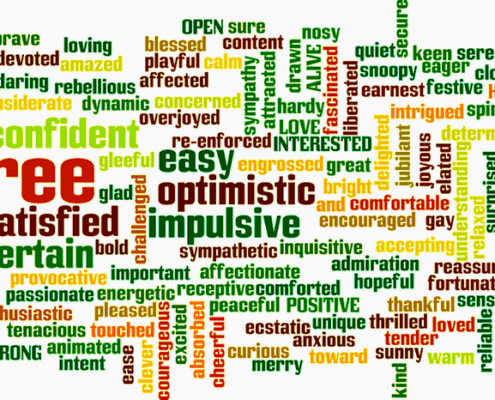 https://www.brunomedicina.com/wp-content/uploads/1997/02/words.png
466
700
Bruno
https://www.brunomedicina.com/wp-content/uploads/2026/03/Logo-con-Nome.png
Bruno1997-02-15 10:54:492026-05-27 15:46:57The Secret Power of Words: How Language Shapes Your Mind
https://www.brunomedicina.com/wp-content/uploads/1997/02/words.png
466
700
Bruno
https://www.brunomedicina.com/wp-content/uploads/2026/03/Logo-con-Nome.png
Bruno1997-02-15 10:54:492026-05-27 15:46:57The Secret Power of Words: How Language Shapes Your Mind https://www.brunomedicina.com/wp-content/uploads/2026/05/check-mate.jpg
466
700
Bruno
https://www.brunomedicina.com/wp-content/uploads/2026/03/Logo-con-Nome.png
Bruno1997-01-15 22:19:412026-05-27 08:50:16No Excuses for Failure: The Psychology of Self-Sabotage
https://www.brunomedicina.com/wp-content/uploads/2026/05/check-mate.jpg
466
700
Bruno
https://www.brunomedicina.com/wp-content/uploads/2026/03/Logo-con-Nome.png
Bruno1997-01-15 22:19:412026-05-27 08:50:16No Excuses for Failure: The Psychology of Self-Sabotage https://www.brunomedicina.com/wp-content/uploads/2026/04/positivethinking.jpg
452
640
Bruno
https://www.brunomedicina.com/wp-content/uploads/2026/03/Logo-con-Nome.png
Bruno1996-12-15 19:54:582026-04-27 20:34:54The Power of Positive Thinking
https://www.brunomedicina.com/wp-content/uploads/2026/04/positivethinking.jpg
452
640
Bruno
https://www.brunomedicina.com/wp-content/uploads/2026/03/Logo-con-Nome.png
Bruno1996-12-15 19:54:582026-04-27 20:34:54The Power of Positive Thinking https://www.brunomedicina.com/wp-content/uploads/1996/12/contrast.jpg
452
640
Bruno
https://www.brunomedicina.com/wp-content/uploads/2026/03/Logo-con-Nome.png
Bruno1996-12-01 20:40:382026-05-22 16:55:04Manipulate and avoid being manipulated! – 1 – The Law of Contrast
https://www.brunomedicina.com/wp-content/uploads/1996/12/contrast.jpg
452
640
Bruno
https://www.brunomedicina.com/wp-content/uploads/2026/03/Logo-con-Nome.png
Bruno1996-12-01 20:40:382026-05-22 16:55:04Manipulate and avoid being manipulated! – 1 – The Law of Contrast


